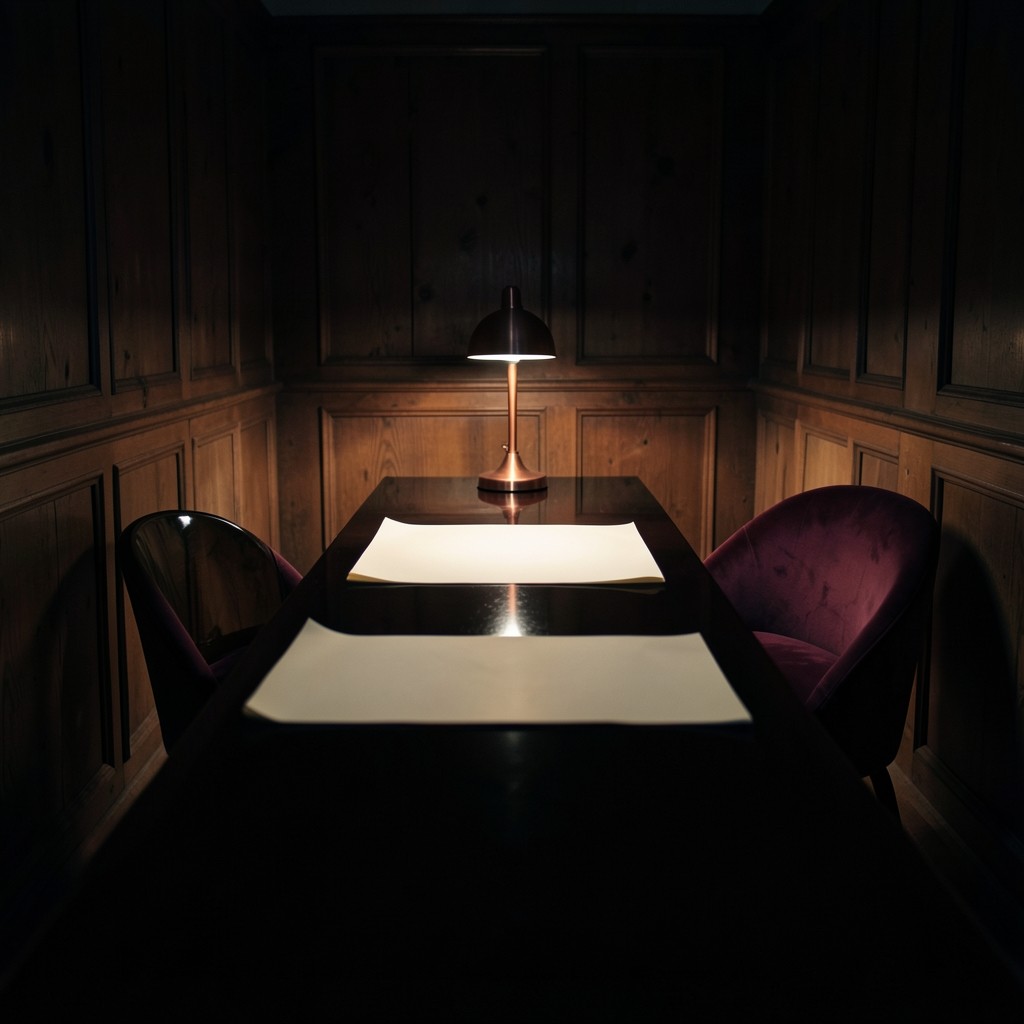
The room
A table, two chairs, and the pages you came with
The planning room is a single ground-floor room in Tambon Pasemat. A lacquered table seats the household. A side chair is there when a spouse or an adult child comes. The lamp is enough for reading a booklet. There is no counter and no queue. The hour you booked is the hour the room is yours.
What happens between arrival and the walk home
You are met at the door at the time written in the reply. Tea is poured before any paper is opened. Naree asks which year, or which range of years, you currently use when you talk about wages stopping. That sentence is written first, even if the rest of the hour revises it.
Papers stay in your hands while they are discussed. If a page needs a closer look, it is passed across the table and passed back. Nothing is kept overnight. If you ask Laila to hold a photocopy for the summary, it is returned when the summary is handed to you, or at the next sitting if the summary needs a day.
Across a six-week review
Week one opens the cupboard and names the wage-stop year. About ten days later the cash page is written from an ordinary stretch and a thin stretch. The third meeting builds the later-income sketch from booklets you brought. The fourth meeting reads the summary aloud so you can correct a baht figure or a name before you leave. If a statement is still missing, its line stays blank with the name of the office that can fill it.
Shorter sittings use the same room and the same rule about papers going home, compressed into one hour or one half day. The yearly check-in starts from the summary you already have, not from an empty table.
Carry these, and leave the rest
- The newest pay slip or a recent stretch of the shop day-book
- The current provident-fund, cooperative, or pension booklet page
- A figure for money sent to parents in an ordinary month
- School-fee and house-rent amounts, if they apply
- The name of a spouse or adult child who will sit with you, if someone is coming
Identity cards and old certificates can stay at the house. If a paper is in Thai and you want the summary in English, say so in your note.
Ask for a date in the room